
Should you renovate or move in Atlanta?
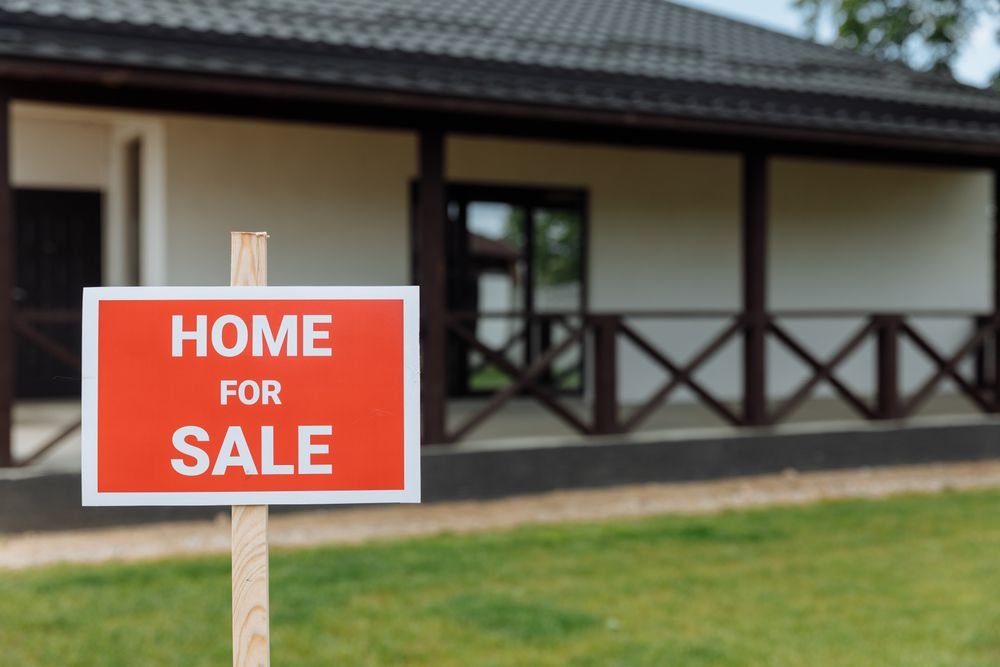
You should consider renovating instead of moving when you love your location, your home has the potential to meet your long-term needs, and targeted improvements can solve its biggest limitations. Moving may make more sense when your home cannot reasonably provide the space, layout, accessibility, or lifestyle you need—even after renovation.
The decision is not only financial. It also involves schools, commute, neighbors, lot size, community ties, moving costs, market conditions, and the disruption of either construction or relocation.
Start with the question: What is not working?

Most homeowners start thinking about moving because one or more aspects of the home no longer work. Common reasons include:
- A kitchen that feels too small or closed off
- Not enough bedrooms or bathrooms
- A lack of storage
- No dedicated home office
- A cramped primary suite
- Outdated finishes and systems
- Poor flow for entertaining
- A growing family
- Aging-in-place needs
- Lack of outdoor living space
- A basement, attic, or garage that is not being used effectively
Then ask a more useful question: Can a renovation realistically solve that problem?
For example, a kitchen wall may be removable, an attic may become a bedroom suite, a basement may become a family room, or a poorly designed primary bath may be reconfigured. But if the lot is too small, the home has major structural constraints, or the location no longer fits your life, moving could be the better option.
When renovating may make sense

Renovating often makes sense if:
- You love your neighborhood and location.
- You have a favorable commute or proximity to schools, parks, family, or work.
- Your home has unused or underused square footage.
- A remodel can improve the layout without an impractical addition.
- You want to customize the home around your lifestyle.
- Moving would require significant transaction, moving, and furnishing costs.
- You plan to stay long enough to enjoy the renovation.
- The home has strong bones but needs modern function or finishes.
A renovation lets you tailor the home to how you live now instead of searching for a house that checks every box.
When moving may make more sense

Moving may be worth considering if:
- The neighborhood no longer works for your needs.
- The home cannot accommodate essential bedrooms, bathrooms, or accessibility features.
- The lot cannot support an addition or outdoor improvements you need.
- The renovation would be unusually complex or costly relative to the home’s likely value.
- You need a different commute, school district, lot size, or community.
- You want a fundamentally different style of home.
- Major repairs and extensive renovation would need to happen at the same time.
A renovation can transform a home, but it cannot change its location, lot constraints, or every structural limitation.
Compare the full cost—not just the mortgage

When deciding whether to renovate or move, compare the total costs of both options.
| Cost category | Renovating | Moving |
|---|---|---|
| Project or purchase cost | Construction, design, permits, materials | Down payment, purchase price, loan costs |
| Transaction costs | Usually limited to financing, if applicable | Closing costs, agent commissions, inspections, appraisal |
| Temporary disruption | Construction noise, dust, temporary room loss | Packing, moving, settling into a new home |
| Customization | Designed around your needs | May require updates after purchase |
| Location | You keep your current neighborhood | You gain a new location but leave your current one |
| Unknown conditions | Hidden issues may appear during construction | New home may still need repairs or renovations |
Do not overlook the cost of changing homes. Moving can involve inspections, repairs before listing, staging, packing, storage, moving services, new furniture, window treatments, and renovations in the next home.
At the same time, do not underestimate construction complexity. A realistic remodeling budget should account for existing conditions, material selections, professional labor, permits where needed, and a contingency for unforeseen issues.
Renovation projects that can change how a home lives
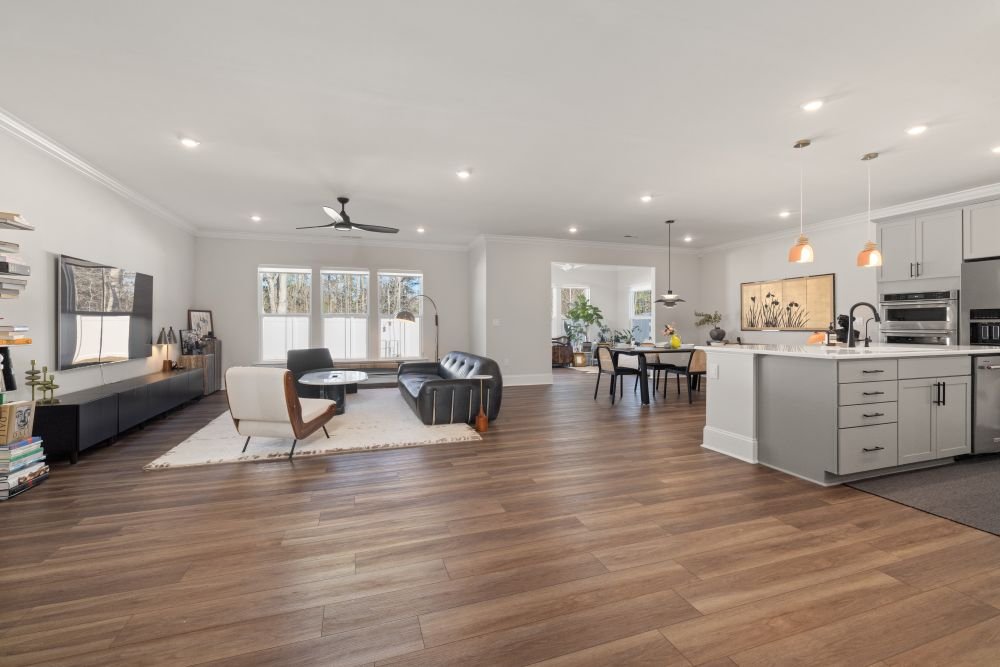
You may not need a whole-home renovation to make staying worthwhile. High-impact projects can include:
- Opening or reworking the kitchen
- Remodeling a primary suite
- Finishing a basement
- Converting an attic
- Adding a home office
- Building a functional mudroom or laundry room
- Creating better indoor-outdoor flow
- Adding storage and built-ins
- Updating a dated bathroom
- Reconfiguring underused rooms
For example, a family that feels crowded in a four-bedroom home may not actually need to move. If an unfinished basement can become a media room, guest room, office, and storage zone, the existing home may suddenly fit much better.
Questions to ask before deciding

- What specific problem would moving solve?
- Can a renovation solve that problem more effectively?
- How long do we expect to stay in the home?
- What do we love about our current location?
- What are the realistic costs of each path?
- Does the home have expansion potential?
- Would the renovation improve daily life enough to justify the disruption?
- Are we comparing actual homes available to a realistic remodeling plan?
Make the choice with confidence

There is no universal right answer. Moving can offer a fresh start and a better-fit location. Renovating can preserve the neighborhood, home, and community you already love while making the space work for the next stage of life.
Upgrade Atlanta helps homeowners evaluate renovation possibilities before they decide to list their home or start searching for another one. A consultation can help clarify what your home can become, what the project may involve, and whether upgrading is the right move.
Contact Upgrade Atlanta to explore the possibilities for your Atlanta home.
Frequently asked questions

Is it cheaper to renovate or move?
It depends on the scope of the renovation, the local housing market, financing, transaction costs, and the type of home you would need to buy. Comparing complete costs—not only monthly payments—is essential.
Can an addition be less expensive than moving?
Sometimes, especially if you love your location and the lot can support the addition. But additions involve design, engineering, permits, site work, and construction complexity, so they should be evaluated carefully.
How long should I plan to stay after a major remodel?
There is no required timeline, but homeowners often get the best personal value when they stay long enough to enjoy the improved space. If you may sell soon, prioritize broadly appealing, durable improvements and avoid overpersonalizing the design.
Let’s talk about your project
Not sure whether to renovate or move? Let’s talk through your options. Upgrade Atlanta helps Atlanta-area homeowners plan renovations that fit their goals, budget, and timeline—reach out today to schedule a consultation.
Kara S. Lawrence
Upgrade Atlanta
Phone: 678.799.2347
Email: Hello@UpgradeAtlanta.com
Website: UpgradeAtlanta.com

Join The Discussion