
When exploring how to invest in commercial property in Atlanta, buyers and business owners are really asking a bigger question: where in this dynamic metropolitan market can they build lasting wealth and business equity?
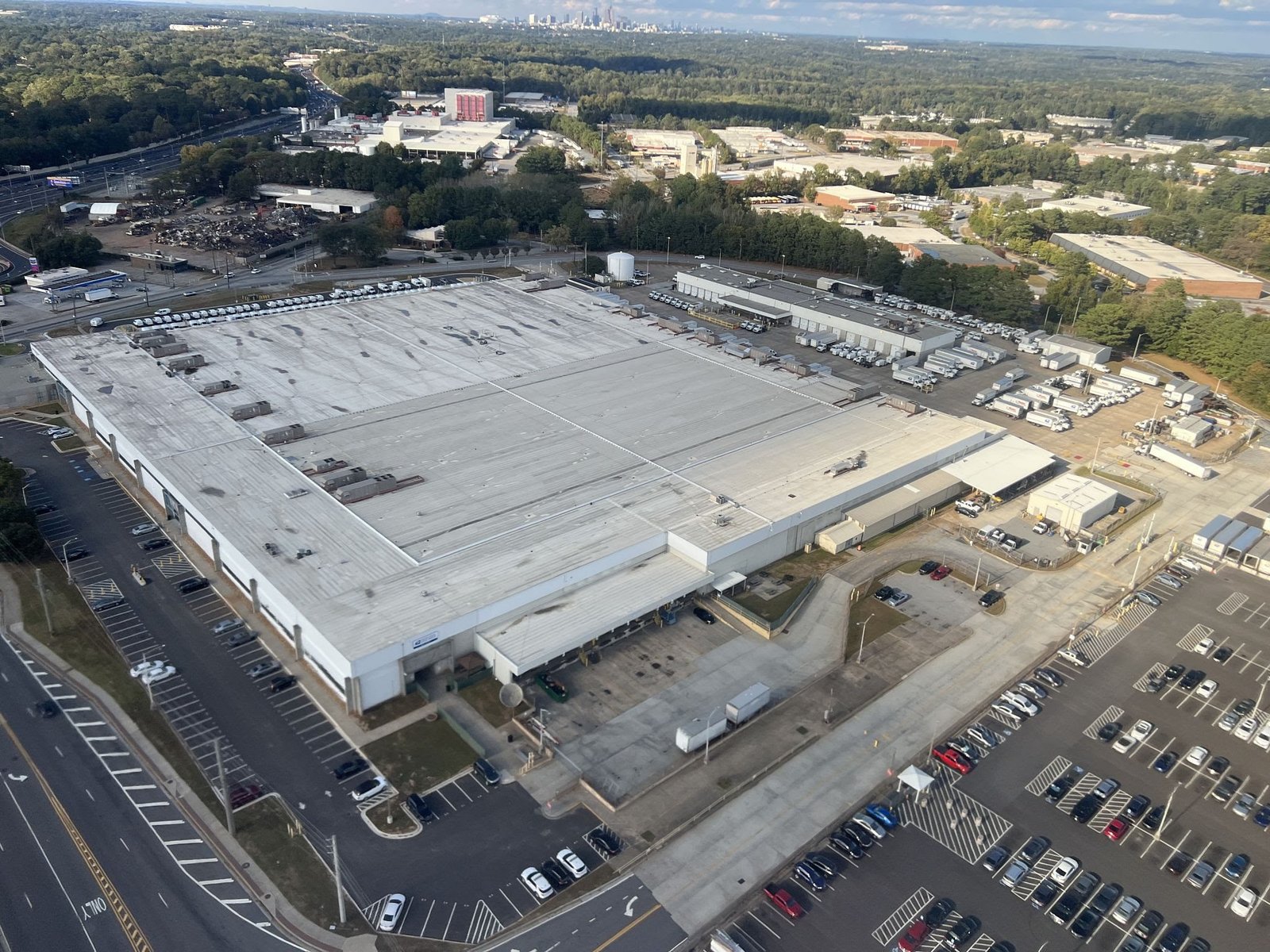
Atlanta offers an extraordinary range of commercial opportunities. For instance, you will find high-capacity logistics hubs near the airport, vibrant neighborhood retail centers in growing suburban nodes, and modern office towers in urban business districts.
Each commercial asset class has its own risk profile, tenant dynamics, and return potential. In 2026, demand across prime submarkets remains strong. Therefore, understanding how to navigate the market is the first step toward securing your ideal property.

Why Invest in Commercial Property in Atlanta?
Atlanta remains one of the most attractive commercial markets in the Southeast. Consequently, understanding how to invest in commercial property in Atlanta starts with understanding why so many investors are drawn here.
The metro benefits from sustained population and job growth, a diversified regional economy spanning technology, logistics, healthcare, film, and financial services, and infrastructure that keeps the region moving — including Hartsfield-Jackson International Airport, major rail lines, and the crossroads of I-85, I-75, and I-20. Compared with coastal gateway cities, Atlanta offers relative affordability and room to grow, which is exactly why corporate relocations and expansions keep landing here.
Furthermore, commercial real estate can offer several distinct advantages over residential properties:
Longer Lease Terms: Typical commercial leases run 3 to 10+ years, providing stable, predictable cash flow.
Net Lease Structures: Tenants often cover operating expenses, property taxes, and insurance through Triple Net (NNN) leases.
Professional Relationships: Commercial tenants operate as business entities with clear contractual obligations.
Step 1: Define Your Goals and Budget
Before you look at a single listing, get clear on what you want to accomplish. For instance, consider these primary investment objectives:
Owner-Users: Business owners purchasing property to house their own operations, building equity instead of paying rent.
Passive Income Investors: Buyers seeking stable, long-term cash flow with minimal management overhead.
Value-Add Investors: Opportunistic buyers targeting underperforming assets for renovation, repositioning, or re-leasing.
1031 Exchange Buyers: Investors deferring capital gains tax from a prior sale by reinvesting in a like-kind asset within strict timelines.
Be honest about your budget, including not just the purchase price but closing costs, reserves, and capital for improvements. Commercial lenders typically expect meaningful equity — generally in the range of 25 to 35 percent down as of 2026 in Fulton County and surrounding areas. Knowing your true buying power early keeps you focused on realistic opportunities.
Step 2: Choose the Right Property Type
Each commercial asset class in Atlanta behaves differently, and the right fit depends on your specific goals and risk tolerance:
Step 3: Assemble Your Local Professional Team
Commercial real estate is a team sport. Therefore, to invest in commercial property in Atlanta successfully, surround yourself with professionals who know the local terrain:
Commercial Real Estate Agent: Sources listed and off-market opportunities, analyzes submarkets, and negotiates terms.
Commercial Lender / Mortgage Broker: Navigates local bank programs, SBA options, and institutional debt.
Commercial Real Estate Attorney: Handles Georgia commercial contract drafting, title review, and closing mechanics.
CPA / Tax Advisor: Structures ownership entities (e.g., LLCs) for optimal tax efficiency and depreciation tracking.
Inspectors & Environmental Consultants: Conducts Property Condition Assessments (PCA) and Phase I Environmental Site Assessments (ESA).
Step 4: Secure Commercial Financing
Financing commercial property differs significantly from a residential home loan. Options as of 2026 include conventional commercial mortgages from banks and credit unions, SBA 504 and 7(a) loans for qualifying owner-users (which can allow lower down payments), life-company and CMBS loans for larger assets, and private or bridge lending for value-add plays.
Lenders scrutinize the property’s Net Operating Income (NOI) and Debt Service Coverage Ratio (DSCR), not just your personal finances. Getting pre-qualified early clarifies your budget and signals to sellers that you are a serious buyer. In a higher-rate environment, run your numbers conservatively and build in reserves for the unexpected.
Step 5: Target the Right Atlanta Submarket
Location drives commercial returns more than almost any other factor. A few key Atlanta submarkets to consider based on your strategy:
Midtown & West Midtown: Innovation, lifestyle, and mixed-use energy — strong for tech-focused office and luxury multifamily.
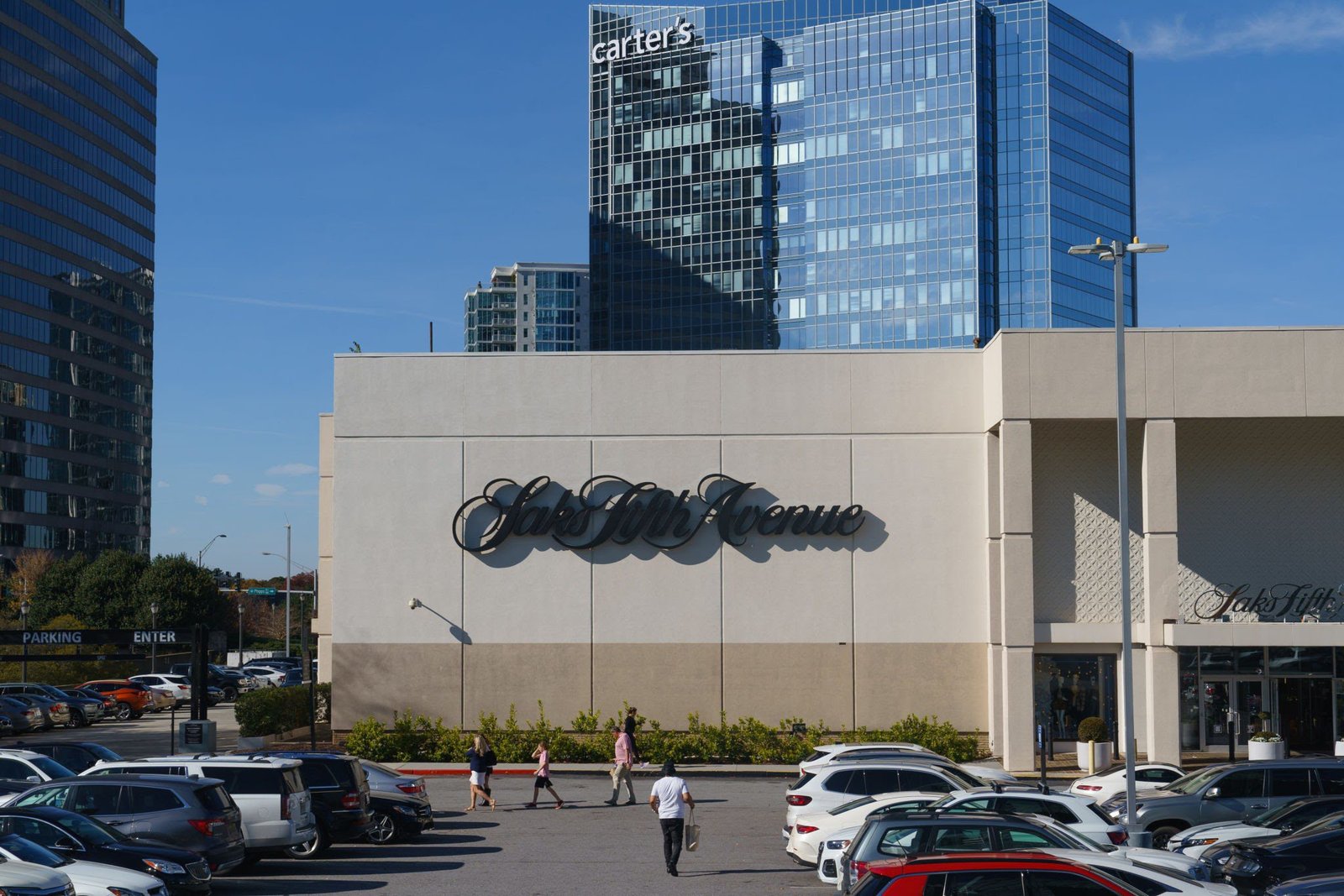
Buckhead: Premium demographics for luxury retail corridors and Class A office space.
Cumberland / Galleria & Central Perimeter: Established corporate nodes in Cobb County and North DeKalb.
Alpharetta / North Fulton: Rapidly growing suburban tech corridor with strong demand for neighborhood retail and medical office.
Airport / South Atlanta & Freight Corridors: The logistics heart of the region and the clearest industrial opportunity.

Step 6: Analyze the Deal
Once you identify a candidate property, underwrite it carefully. Key financial evaluation formulas include:
Scrutinize the rent roll, lease terms, tenant credit, and expense history. In addition, ask what happens if a major tenant leaves, if expenses rise, or if you cannot refinance on favorable terms at exit. The strongest investors stress-test their assumptions rather than trusting a seller’s rosy pro forma. In 2026’s selective market, buying right on the front end matters more than ever.
Step 7: Conduct Due Diligence and Close
After your offer is accepted, the due diligence period is where you confirm what you are buying (typically 30 to 60 days). This auditing process includes:
Environmental Site Assessment: Order a Phase I ESA to verify no historical hazardous contamination exists on or near the site.
Physical Inspection: Hire a structural engineer to perform a comprehensive Property Condition Assessment (PCA).
Lease & Financial Audit: Inspect every active tenant lease, estoppel certificate, and historical payment record.
Zoning & Title Review: Confirm current zoning compliance, property boundaries, easements, and title commitments.
Your attorney and agent guide you through Georgia-specific closing requirements. If issues surface, you may renegotiate price and terms or, if warranted, walk away. When everything checks out, you close, take title, and begin executing your business plan.
Common Mistakes to Avoid
New commercial investors in Atlanta tend to stumble in predictable ways. However, you can protect your investment by avoiding these mistakes:
Trusting Seller Pro Formas: Always underwrite based on verified historical trailing-12-month numbers rather than optimistic projections.
Underestimating Capital Expenditures: Failing to reserve funds for tenant improvements (TI) and leasing commissions (LC) during lease turnover.
Skipping Environmental Review: Bypassing a Phase I ESA on older retail or industrial sites can lead to costly environmental liabilities.
Over-Leveraging: Taking on excessive debt without cash reserves leaves no cushion during market downturns or unexpected vacancy.
Frequently Asked Questions
How much money do I need to invest in commercial property in Atlanta?
It varies widely by asset type and size, but as of 2026 commercial lenders generally expect 25 to 35 percent down, plus closing costs and reserves. Smaller owner-user properties using SBA financing may require less down. Beyond the down payment, budget for due diligence expenses and capital for any improvements your business plan calls for.
Is commercial real estate a good investment in Atlanta in 2026?
For prepared, well-capitalized investors, Atlanta continues to offer compelling long-term fundamentals thanks to population growth, a diversified economy, and world-class logistics infrastructure. As of 2026, success depends on buying quality assets in strong locations and underwriting conservatively rather than chasing momentum. Local guidance makes a meaningful difference.
What is the best type of commercial property for a first-time investor?
Many first-timers start with an owner-user property that houses their own business, a small multifamily asset, or a single-tenant, net-leased building with a creditworthy tenant, because these tend to be simpler to operate. The best choice depends on your goals, capital, and risk tolerance — a conversation worth having with a local commercial expert.
Do I need a commercial real estate agent to invest in Atlanta?
While not legally required, a knowledgeable commercial agent is one of your most valuable assets. A local expert helps you source on- and off-market opportunities, interpret submarket dynamics, analyze deals, and navigate Georgia’s transaction process. Given how much location and timing drive commercial returns, professional guidance often pays for itself many times over.
The Bottom Line: Building Wealth in Atlanta Commercial Real Estate
Learning how to invest in commercial property in Atlanta is the first step — executing with confidence is where the right partner matters. By setting clear financial goals, selecting the right submarket, and conducting thorough due diligence, you can secure high-performing commercial assets across Metro Atlanta.
At Upgrade Atlanta / My Next Steps Real Estate, I guide investors and owner-users through every stage, from defining goals to closing and beyond. When a client shares their vision, I immediately see the possibilities across our submarkets.
Let’s Connect
“When a client shares their goals, I immediately see the possibilities.”
— Kara S. Lawrence
Ready to build your strategy for 2026 and beyond? Contact Kara S. Lawrence today to set up your consultation. Whether that’s a market check-in, prepping to list, or just talking through your options, we are here to help you every step of the way!
📞 Call or Text: 678.799.2347
📧 Email: Hello@UpgradeAtlanta.com
📅 Book a Time: https://bit.ly/UpgradeAtlanta
🌐 Contact Page: Reach out directly via the official Upgrade Atlanta Contact Page
Watch & Learn: Market Insights from Kara S. Lawrence
Check out Kara’s video guide to explore the local submarkets and commercial hubs driving metro Atlanta’s growth:
🎥 Submarket & Area Guide: Top 10 Best Neighborhoods to Live in Atlanta GA
🌆 Daily Life & Economic Overview: Living In Atlanta Georgia: A Complete Local Guide
🏡 County & Submarket Breakdown: Atlanta Submarkets Explained: Where Should Your Business Live?
📺 Channel Home: Subscribe to Atlanta GA Living by Kara on YouTube for ongoing market updates, economic news, and regional tours!



Join The Discussion