
Atlanta continues to attract buyers who want a strong job market, more space, and a lifestyle that feels more affordable than many major metro areas. If you’re planning a move in 2026, the biggest mistake you can make is choosing a home before you understand how different parts of Atlanta fit different routines, budgets, and goals.
The right move starts with clarity. Some buyers want short commutes and walkable neighborhoods. Others want newer construction, larger lots, better schools, or a better value for the money. Atlanta gives you all of that — but rarely in the same zip code.
What to Think About Before Buying in Atlanta
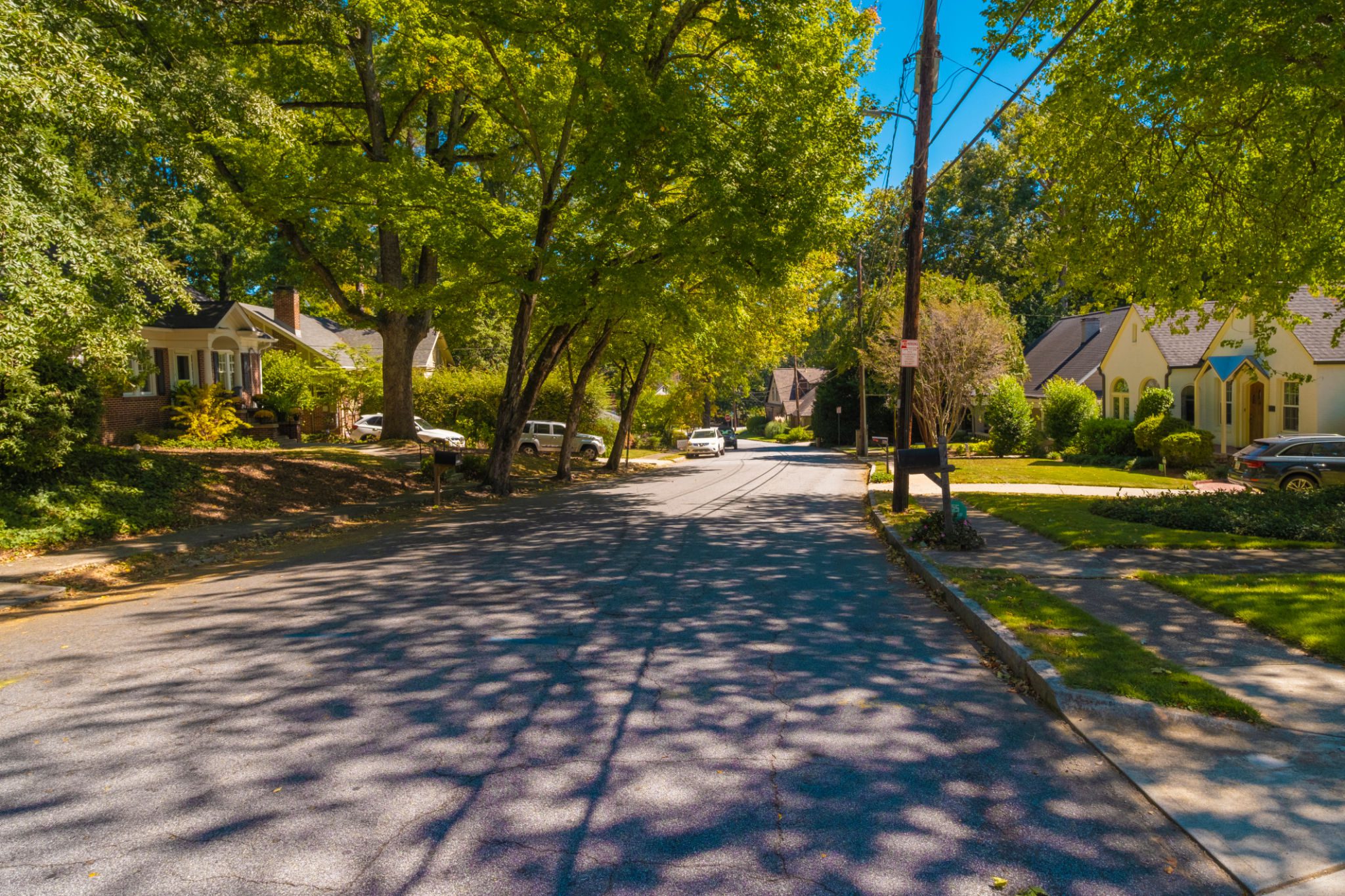
Before you start touring homes, it helps to know what you’re actually solving for. A few questions to work through first:
- Commute time to work or school. Metro Atlanta traffic varies dramatically by corridor. A 15-minute difference in home location can mean an extra 30–45 minutes in the car during peak hours.
- Neighborhood lifestyle and daily routine. Do you want to walk to dinner, or do you want a quiet cul-de-sac and a two-car garage? Both exist here — they just don’t exist in the same place.
- Home type: condo, townhome, single-family, or new construction. Each comes with a different maintenance load, price point, and resale profile.
- School zones. Even buyers without kids should pay attention here — school zone reputation has a real, measurable effect on resale value.
- HOA rules and monthly costs. Some communities have minimal HOAs; others carry significant fees tied to amenities, landscaping, or gated access. Know what you’re signing up for.
- Resale value and long-term flexibility. Buy with an exit in mind, even if you don’t plan to sell anytime soon. Life changes faster than mortgages do.
Best Areas to Explore First
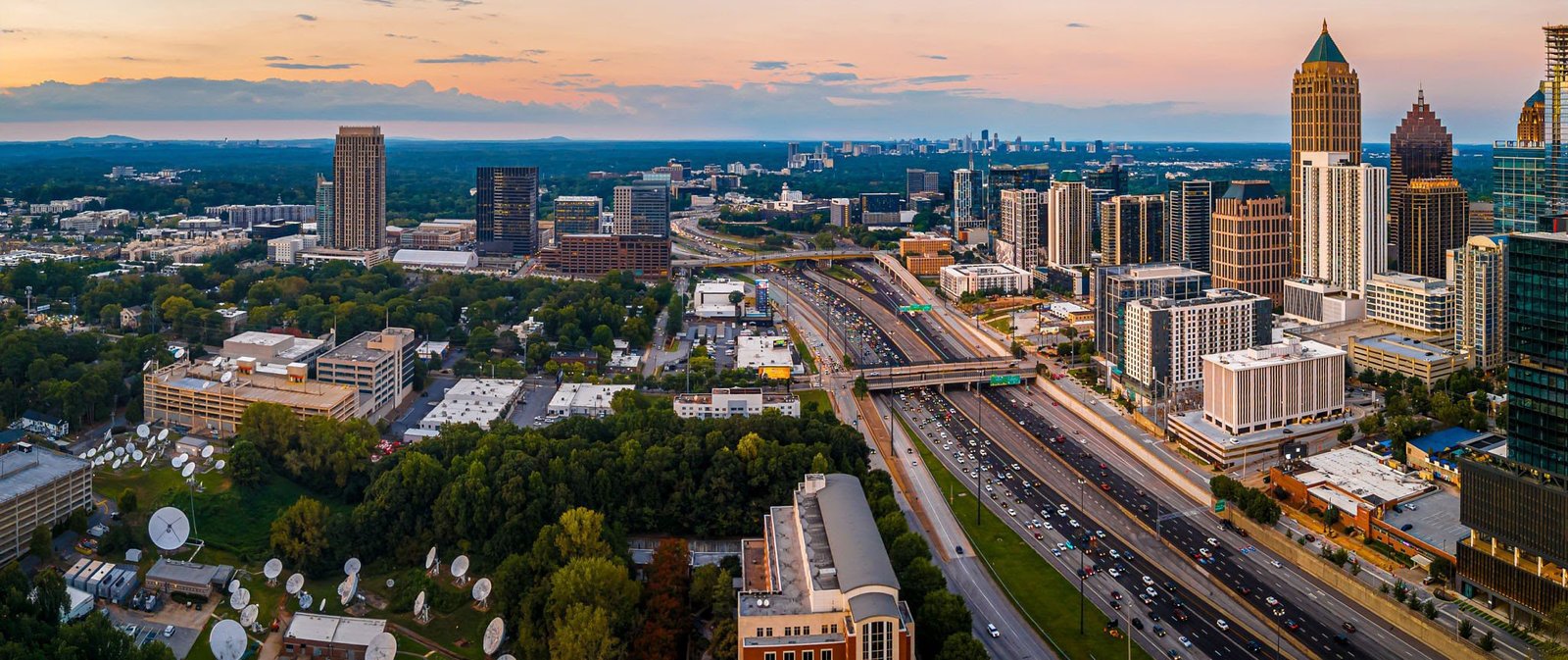
Atlanta is really a collection of very different markets stitched together. Here’s where to start looking, depending on what you’re after:
Buckhead — for luxury, convenience, and established neighborhoods. If you want walkable upscale shopping and dining, high-rise and estate living, and a central location with easy access to the rest of the city, this is where to look first.
Dunwoody — for suburban comfort with real access to the city. Dunwoody offers a strong balance: established tree-lined neighborhoods, good schools, and a manageable commute into Atlanta without sacrificing quiet, residential streets.
Alpharetta — for newer homes, strong schools, and family appeal. This is one of the metro’s most popular relocation destinations for a reason — new construction, top-rated schools, and a downtown area that’s grown into a genuine walkable hub.
Cumming — for space, growth, and value. If your priority is more square footage and land for the money, Cumming is one of the fastest-growing areas in the region and still offers relative value compared to closer-in suburbs.
Intown Atlanta — for urban living and lifestyle access. Neighborhoods like this trade yard space for walkability, restaurants, transit access, and a faster pace — ideal for buyers who want to be in the middle of everything.
Common Mistakes Buyers Make

After years of helping relocation and move-up buyers navigate this market, these are the mistakes I see most often:
- Focusing only on home price instead of total monthly cost. Property taxes, HOA dues, and insurance can shift your real monthly payment significantly between two homes priced the same.
- Ignoring traffic patterns. A neighborhood can look perfect on a Saturday afternoon and feel completely different at 7:45 a.m. on a Tuesday. Drive the commute before you commit.
- Choosing a neighborhood based on online opinions instead of real daily fit. Forums and social media give you generalities. Your routine, your commute, and your priorities are specific to you.
- Underestimating HOA fees and property taxes. These numbers vary more than most buyers expect between neighboring communities — always confirm them in writing before you fall in love with a house.
- Waiting too long to get pre-approved. In a competitive listing, pre-approval isn’t a formality — it’s what lets you move quickly when the right home comes on the market.
Final Thoughts
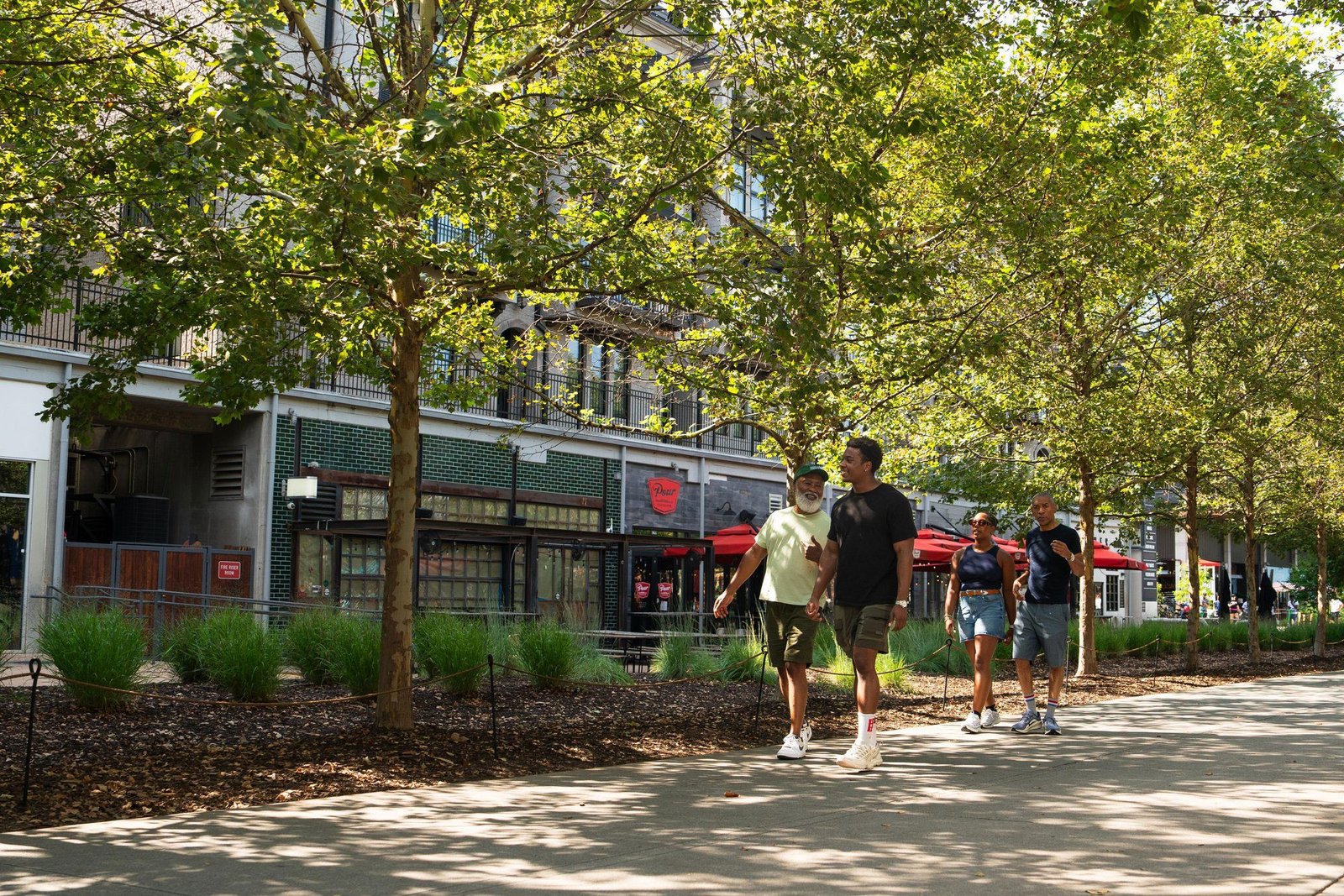
If you’re moving to Atlanta in 2026, the best first step isn’t touring homes — it’s narrowing down the areas that match your actual life. Once you understand your priorities, the right home becomes much easier to find.
Watch This Before You Move to Atlanta in 2026
Moving to Atlanta and not sure where to start? I work with relocation and move-up buyers across Metro Atlanta every day — reach out and let’s map out the areas that fit your life before you start touring. Call or text me at 678.799.2347, or email Hello@UpgradeAtlanta.com.


Join The Discussion