Best Atlanta Submarkets for Commercial Investment
Choosing where to buy matters as much as choosing what to buy. When it comes to identifying the best Atlanta submarkets for commercial investment, location is not a detail — it is the foundation of your return.
As of 2026, Atlanta’s commercial landscape is highly localized: a strong asset in the right node can significantly outperform a comparable property just a few miles away.
Furthermore, this guide walks you through the metro’s most compelling submarkets across office, industrial, retail, and multifamily, and helps you match each one to your investment strategy. Whether you are an owner-user, a value-add investor, or a buyer rotating capital through a 1031 exchange, understanding these submarkets is essential to buying with confidence.
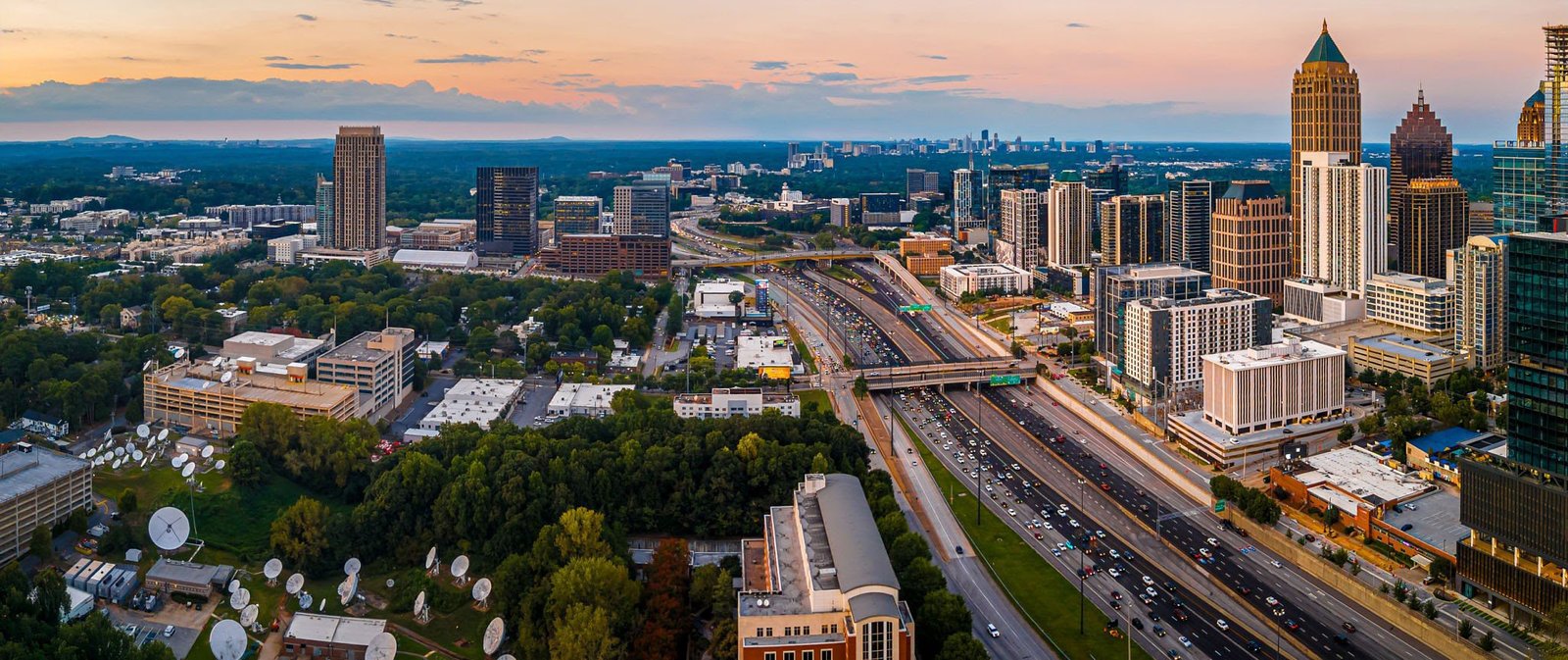
How to Evaluate the Best Atlanta Submarkets for Commercial Investment
Before touring a single property, it helps to have a framework. Specifically, the best decisions when identifying Atlanta submarkets for commercial investment rest on a handful of fundamentals:
Local Demand Drivers: Consider major employers, population growth, and household formation.
Access & Infrastructure: Weigh highways, transit options, and proximity to Hartsfield-Jackson International Airport and freight corridors.
Supply Dynamics: Look at how much new product has been delivered recently and how much is still in the pipeline.
Asset Class Alignment: Factor in the specific asset class you are targeting, because a submarket that shines for industrial may be middling for office.
Keep these lenses in mind as we tour the metro.
Midtown: Innovation and Lifestyle at the Core
Midtown is Atlanta’s innovation and lifestyle engine, anchored by Georgia Tech, a dense technology corridor, and a genuine live-work-play environment.
For office, it remains the metro’s standout, drawing employers who use best-in-class space to attract talent. For multifamily and mixed-use, Midtown offers strong long-term demand. However, you should underwrite the wave of new apartment supply that has pressured near-term rents in the area.
As of 2026, Midtown suits investors seeking quality assets in a durable, amenity-rich core. Therefore, it belongs on any serious list of the best Atlanta submarkets for commercial investment.
Buckhead: Premium Demographics and Enduring Demand
Buckhead pairs affluent demographics with a deep base of finance, legal, and professional-services tenants, making it a perennial choice for premium office and high-end retail.
Flight to quality has favored Buckhead’s best buildings, which continue to command strong tenant interest even as older product competes on concessions. In addition, retail and mixed-use in the district benefit from the area’s wealth and foot traffic.
If your strategy centers on premium, well-located assets with staying power, Buckhead is a natural fit.
Cumberland / Galleria: A Maturing Live-Work-Play Node
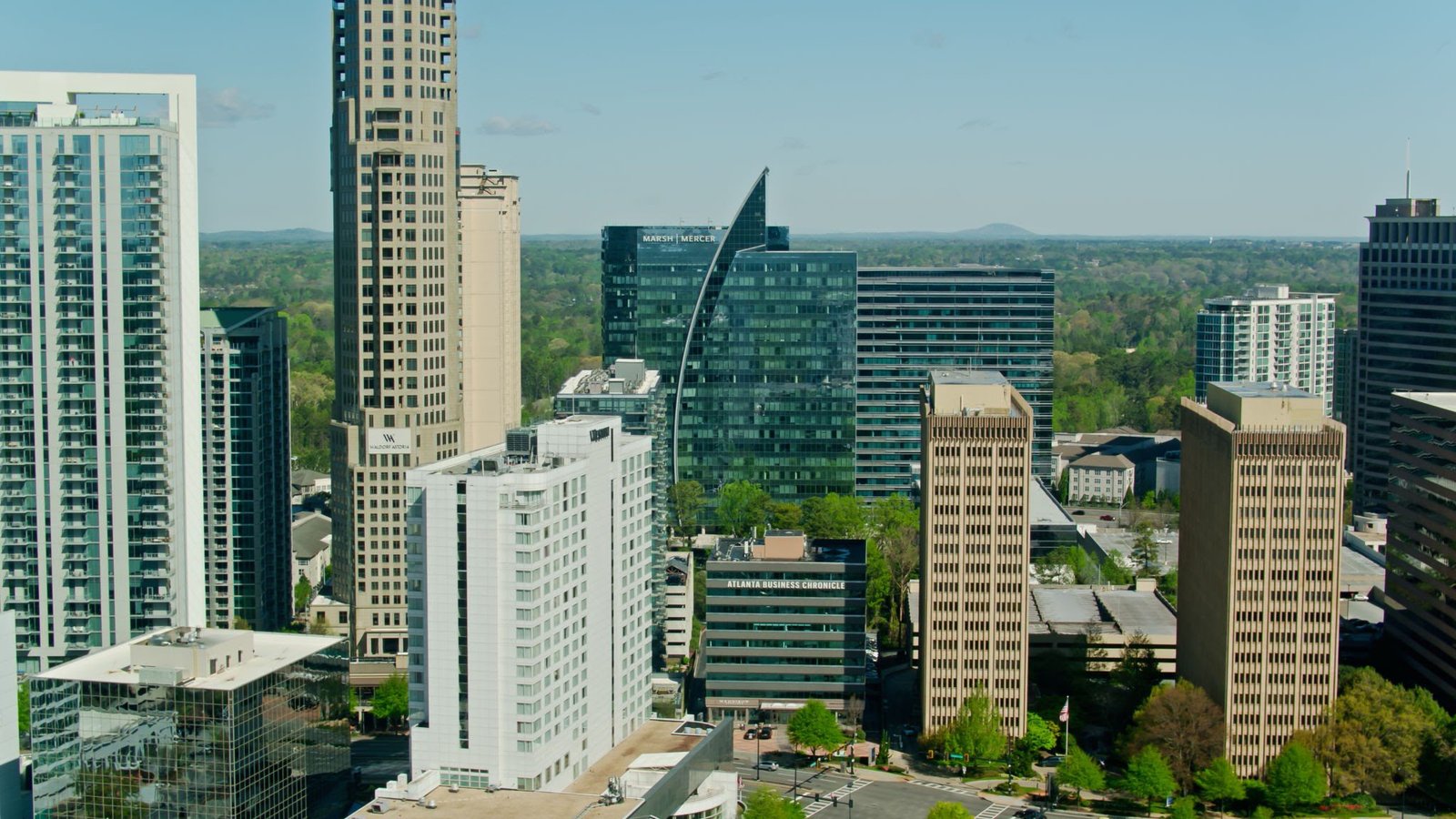
The Cumberland / Galleria area in Cobb County has matured into a dynamic mixed-use node, combining corporate anchors, a major entertainment and sports destination like The Battery Atlanta, retail energy, and strong highway connectivity.
For retail and multifamily investors, the area’s growth and amenity base support steady demand. Similarly, office here benefits from the live-work-play appeal that today’s tenants prioritize. As of 2026, Cumberland / Galleria appeals to investors who want suburban-scale opportunity with urban-style amenities and connectivity.
Central Perimeter: Deep Corporate Base, Competing on Value
Central Perimeter offers one of the metro’s largest concentrations of corporate office, along with transit access via MARTA and a substantial daytime population.
The submarket holds a loyal tenant base and competes hard on value and concessions. Consequently, this dynamic creates opportunity for investors who can reposition or amenitize older assets.
For retail serving the corporate and residential population, Central Perimeter remains steady. Overall, this is a submarket that rewards investors who understand its competitive dynamics and can add value.
Alpharetta / North Fulton: The Suburban Growth Engine
Alpharetta and the broader North Fulton area are among the metro’s strongest suburban growth stories, home to a cluster of technology employers, affluent households, and consistent demand for quality retail and services.
For instance, grocery-anchored and necessity-based retail performs well here thanks to steady household formation. Likewise, office in walkable, amenity-rich pockets draws tenants seeking a suburban alternative to the urban core. For investors prioritizing growth demographics and resilient retail, Alpharetta / North Fulton consistently ranks among the best Atlanta submarkets for commercial investment options.
West Midtown: Adaptive Reuse and Creative Energy
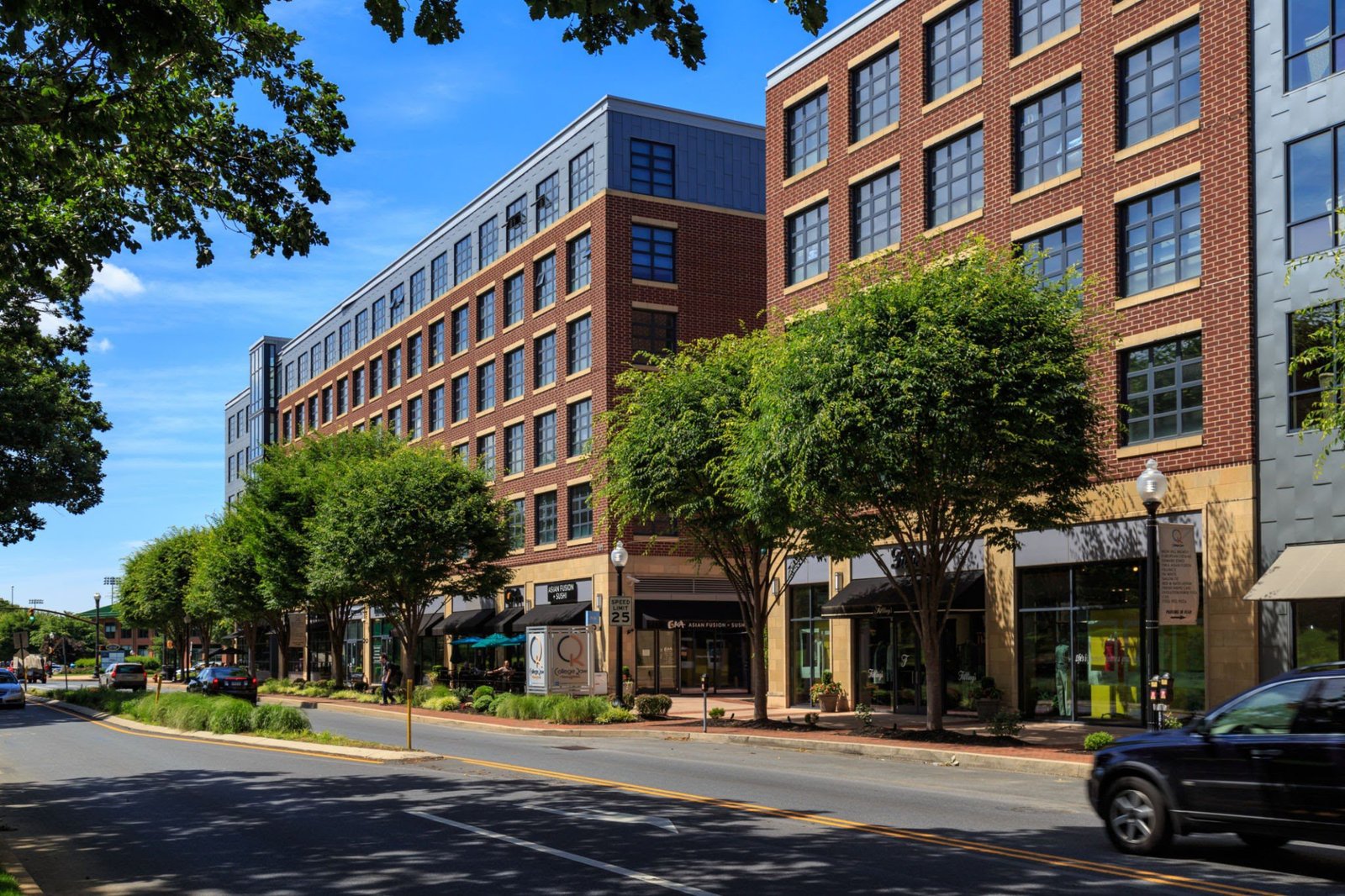
West Midtown has become one of Atlanta’s most distinctive districts, defined by adaptive-reuse projects, a celebrated dining scene, design showrooms, and mixed-use energy that draws creative tenants and residents.
For investors, the area offers opportunity in repositioning older industrial and commercial buildings into higher-and-better uses. However, such plays require realistic renovation budgets. Meanwhile, retail and food-and-beverage tenants that create destinations thrive here. Thus, West Midtown suits value-add investors comfortable with creative, hands-on strategies.
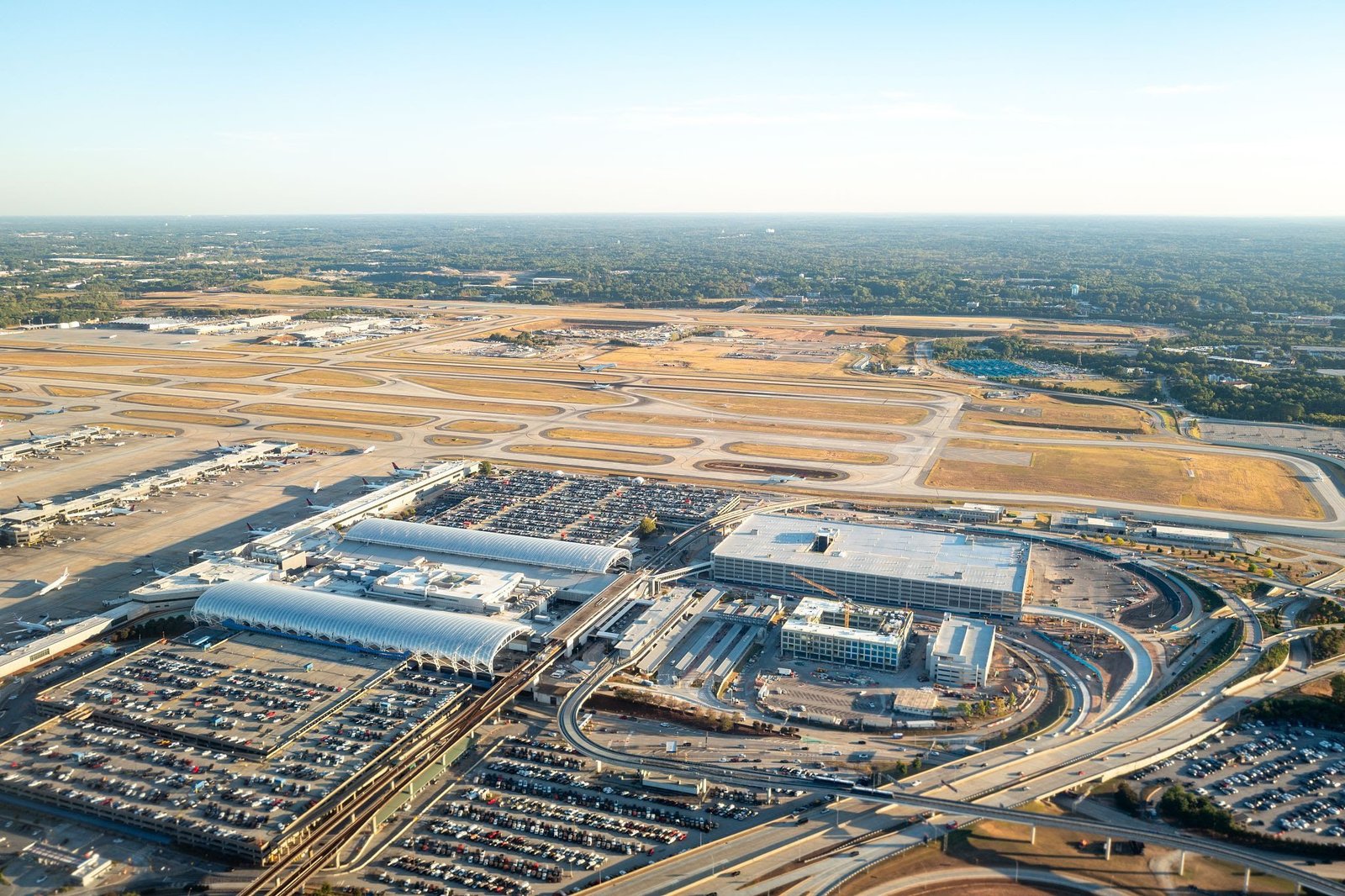
Airport / South Atlanta and the Freight Corridors: The Logistics Heart
For industrial investors, the airport / South Atlanta industrial corridor and the freight routes along I-85 and I-75 are the clearest opportunity in the metro.
In fact, Atlanta’s role as a national distribution hub rests on the world’s busiest airport, the crossroads of two major interstates, and strong rail and port connectivity to Savannah. As of 2026, the industrial development pipeline has moderated, helping the market absorb recent deliveries. Consequently, modern, well-located distribution space with strong clear heights and truck court depth continues to lease.
Therefore, these corridors belong at the top of any industrial-focused list of the best Atlanta submarkets for commercial investment.
Downtown: Value and Long-Term Upside
Downtown Atlanta warrants a mention for its ongoing evolution. Home to convention infrastructure, major institutions, sports venues, and a growing residential base, Downtown offers value pricing relative to Midtown and Buckhead.
Furthermore, it provides long-term upside for patient investors who believe in the district’s continued revitalization. As with any repositioning-oriented market, the key is buying right and underwriting realistically. Ultimately, for investors with a longer horizon and an appetite for the metro’s urban core at a relative discount, Downtown can be worth a close look.
Timing and Local Knowledge in a Selective Market
Even the strongest submarket does not guarantee a strong outcome; timing and execution do much of the work. As of 2026, capital is selective and lenders are underwriting conservatively, which means the well-priced opportunities tend to surface quietly rather than in bidding wars.
That environment rewards investors who are ready to move when the right asset appears in the right node. Keeping relationships warm with local brokers, tracking which submarkets are absorbing new supply, and understanding where concessions are widening all help you time your entry. For example, a submarket that looks fully priced today may present a compelling basis in six months as maturing loans and shifting fundamentals reshape seller motivations.
Moreover, local knowledge protects you from the traps that a spreadsheet alone will not reveal. Two blocks can behave very differently in terms of foot traffic, tenant demand, zoning, and future development. A property near a planned infrastructure improvement or a growing employment node carries different upside than a similar building a short distance away. This is why pairing the submarket framework in this guide with boots-on-the-ground guidance consistently separates confident buyers from cautious ones.
Matching Submarkets to Your Strategy
There is no single best submarket — only the best fit for your goals. To summarize how these areas map to common strategies as of 2026:
Premium, stable assets: Buckhead and Midtown lead the way.
Industrial and logistics: The airport / South Atlanta corridor and the I-85 / I-75 freight routes.
Resilient retail and growth demographics: Alpharetta / North Fulton and Cumberland / Galleria.
Value-add and repositioning: West Midtown, Central Perimeter, and Downtown.
Multifamily with long-term demand: Midtown and West Midtown, while accounting for recent supply.
Whichever direction you lean, remember that submarket selection is only the beginning. Within each area, individual asset quality, tenancy, and pricing determine your actual return. The investors who succeed pair a clear read on the right submarket with disciplined underwriting and strong local guidance.
Frequently Asked Questions
Which Atlanta commercial submarket has the lowest vacancy rate in 2026?
Industrial logistics corridors around Hartsfield-Jackson Airport and Gwinnett County, as well as grocery-anchored retail centers in Alpharetta and East Cobb, consistently maintain some of the lowest vacancy rates across metro Atlanta.
Are suburban Atlanta office submarkets outperforming urban core submarkets?
Suburban nodes like Alpharetta and Cumberland are seeing strong demand for low-rise, walkable office space. However, urban Class A prime towers in Midtown and Buckhead continue to command the highest rent premiums due to corporate flight-to-quality trends.
What is the best submarket for a 1031 exchange in Metro Atlanta?
Single-tenant net-lease (NNN) retail in North Fulton or stabilized industrial distribution facilities along I-85 and I-75 are popular choices for 1031 exchange buyers seeking predictable income and low management oversight.
The Bottom Line: Finding Your Ideal Atlanta Submarket
Identifying the best Atlanta submarkets for commercial investment comes down to aligning local demand drivers, asset class strengths, and your specific return goals. Whether you are acquiring core trophy assets in Midtown or value-add industrial along freight corridors, localized market intelligence remains your greatest competitive advantage.
At Upgrade Atlanta / My Next Steps Real Estate, I help investors and owner-users match their strategy to the right corner of the metro, then execute with confidence.
Let’s Connect
“When a client shares their goals, I immediately see the possibilities across our submarkets.”
— Kara S. Lawrence
Ready to map out where your next Atlanta commercial investment belongs? Contact Kara S. Lawrence today to set up your consultation. Whether that’s a market check-in, prepping to list, or just talking through your options, we are here to help you every step of the way!
📞 Call or Text: 678.799.2347
📧 Email: Hello@UpgradeAtlanta.com
📅 Book a Time: https://bit.ly/UpgradeAtlanta
🌐 Contact Page: Reach out directly via the official Upgrade Atlanta Contact Page
Watch & Learn: Market Insights from Kara S. Lawrence
Check out Kara’s featured video breakdown of major infrastructure, development, and submarket shifts across metro Atlanta that impact long-term commercial property growth:
🎥 Submarket & Commercial Shifts: 20 BIG THINGS Coming To Atlanta Georgia in 2026!
🌆 Daily Life & Economic Overview: Living In Atlanta Georgia: A Complete Local Guide
🏡 County & Submarket Breakdown: Atlanta Submarkets Explained: Where Should Your Business Live?
📺 Channel Home: Subscribe to Atlanta GA Living by Kara on YouTube for local market updates, economic news, and regional tours!


Join The Discussion