
Atlanta Commercial Real Estate 2026: Market Guide & Trends
Your 2026 guide to Atlanta commercial real estate — office, industrial, retail, and multifamily trends, submarket shifts, and where opportunity is heading.
If you plan to buy, lease, or upgrade property this year, knowing the state of Atlanta commercial real estate in 2026 gives you a major edge. Atlanta enters 2026 in a steady posture. The wild pace of the early-decade boom has settled into something healthier. Today, the market rewards smart plans, local knowledge, and patient capital.
As of 2026, the metro remains a top spot for investments in the Southeast. Steady job growth, new residents, and strong transit hubs keep driving demand. This guide breaks down each asset class, key submarkets, and market forces for the rest of the year.
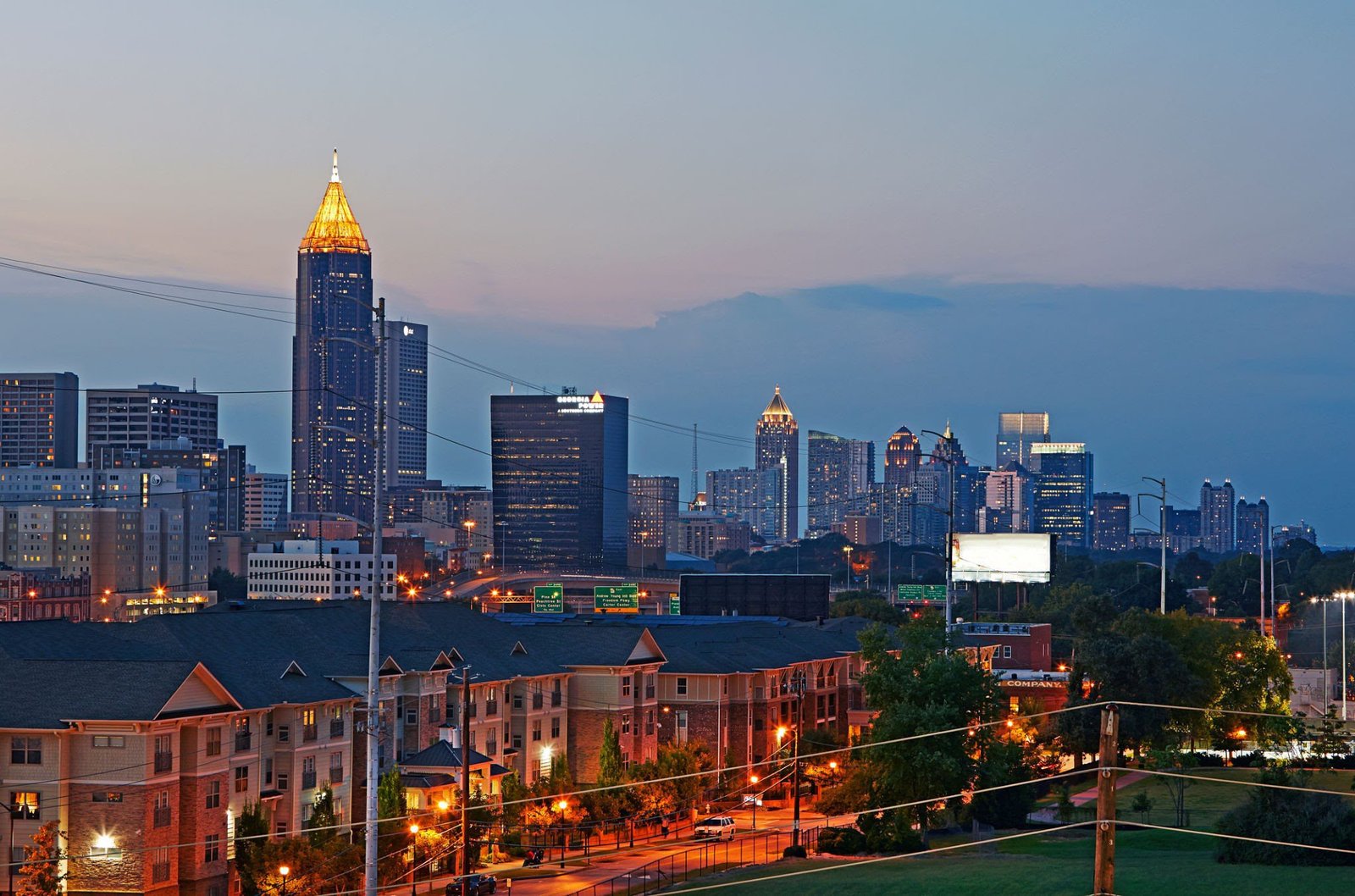
The big picture for Atlanta commercial real estate in 2026
Three big trends define Atlanta commercial real estate 2026:
Cautious capital: Lenders and partners favor properties with strong, steady cash flow.
Above-average growth: Job and population growth outpace the national average. This keeps housing and logistics strong.
Flight to quality: Buyers and renters prefer prime locations with modern perks over older space.
Interest rates are down from their peak, but they stay higher than last decade. As a result, fewer buyers rely on heavy debt. This opens the door for cash-rich buyers, 1031 exchange users, and owner-users. Deals still get done, but they rely on core market facts rather than quick hype.
Office: a tale of two markets
No property type has changed more than office space. In 2026, Atlanta’s office market is split into two clear sides.
Top-tier Class A buildings in walkable spots — like Midtown, Buckhead, and Cumberland — attract strong demand. Employers use these premium spaces to bring staff back to the team. In contrast, older Class B and C buildings in quiet suburbs face rising vacancy and lower rents.
Midtown leads the office sector, backed by Georgia Tech and a busy tech hub. Buckhead continues to serve top finance and law firms. Meanwhile, Central Perimeter relies on rail access and major headquarters, but it offers big lease deals to compete.
Building reuse is a key topic this year. Some outdated offices are turning into homes or mixed-use hubs. However, this fix only works for a few properties. If you own older office space, now is the time to plan upgrades or find a smart exit.
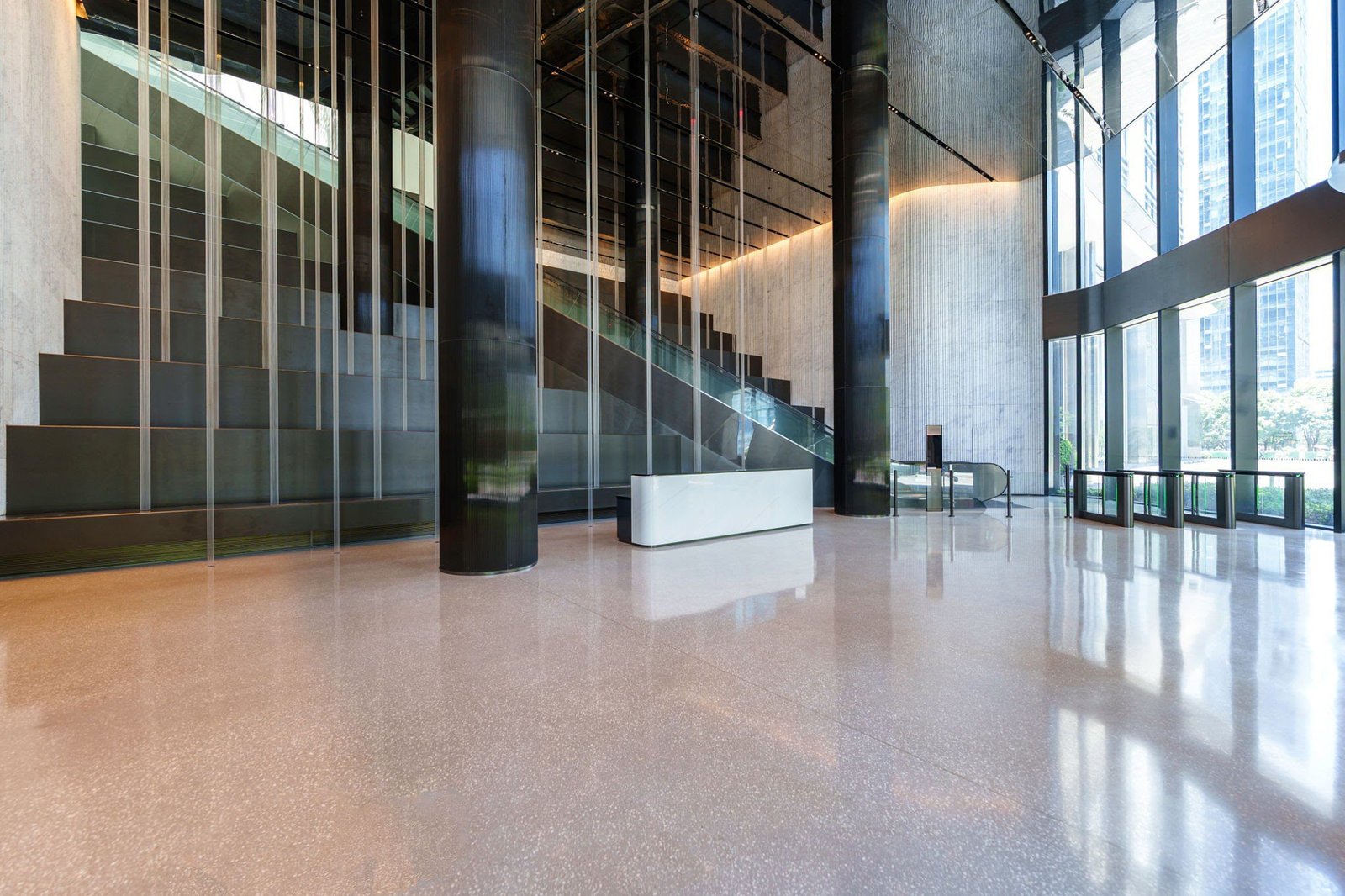
Class A office space driving Atlanta commercial real estate 2026 flight to quality
Industrial: still the metro’s workhorse
Logistics and industrial space remain the core of Atlanta commercial real estate 2026.
Atlanta has a key regional location. It offers the world’s busiest airport, major interstates (I-85 and I-75), strong rail links, and fast access to the Port of Savannah. The airport area and key highway routes keep drawing major shipping and online sales firms.
New construction has slowed down after a massive building boom. This pause helps the market fill existing space. Industrial vacancy has risen slightly, but demand for modern, high-ceiling warehouses remains strong. At the same time, rent growth has cooled to a steady pace.
Location, building layout, and tenant quality now split the top properties from the rest.
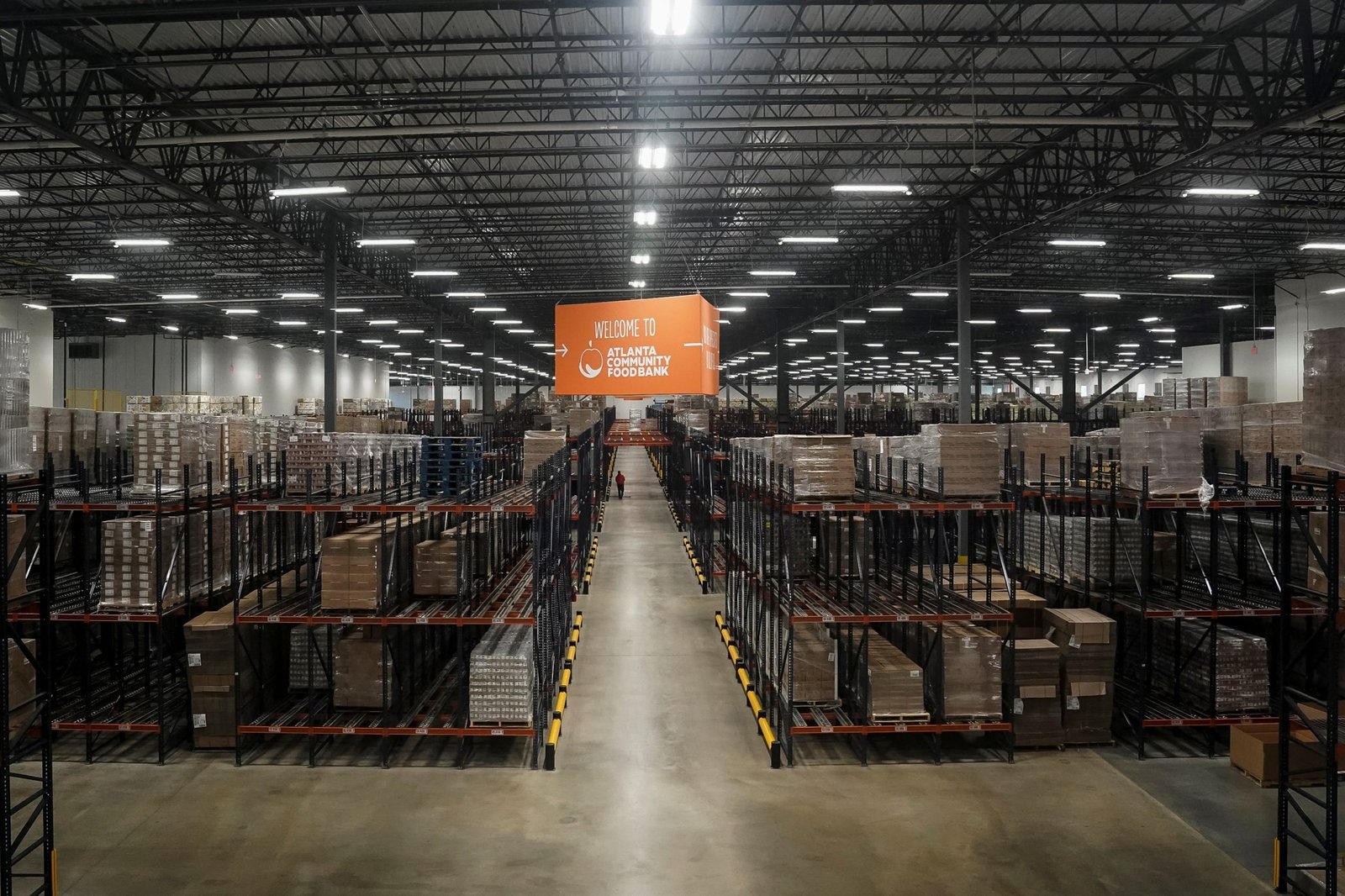
After a historic wave of new construction, the development pipeline has moderated, which is helping the market absorb the space that was delivered during the boom. As of 2026, vacancy in industrial has ticked up from its ultra-tight lows but generally remains healthy by historical standards, and well-located, modern distribution space with strong clear heights and truck court depth continues to lease. Rent growth has cooled from double-digit territory to something more sustainable.
For investors, industrial still offers one of the clearer risk-adjusted stories in the metro — but the days of buying almost anything with a roof and dock doors are over. Location relative to freight infrastructure, building functionality, and tenant credit now separate winners from laggards.
Retail: quietly resilient
Retail space has performed surprisingly well this cycle. Developers built very little new retail over the past decade. As a result, well-placed shops — especially grocery-anchored centers — enjoy high demand and low vacancy.
In 2026, retail space in growing spots like Alpharetta and Cumberland leases quickly. In fact, rents have held up much better than expected.
Shops, restaurants, and service brands drive most new leases. Mixed-use spots like West Midtown blend retail with dining and homes to create lively hubs. Today, the biggest retail challenge is finding good space, which forces tenants to reuse older shops.
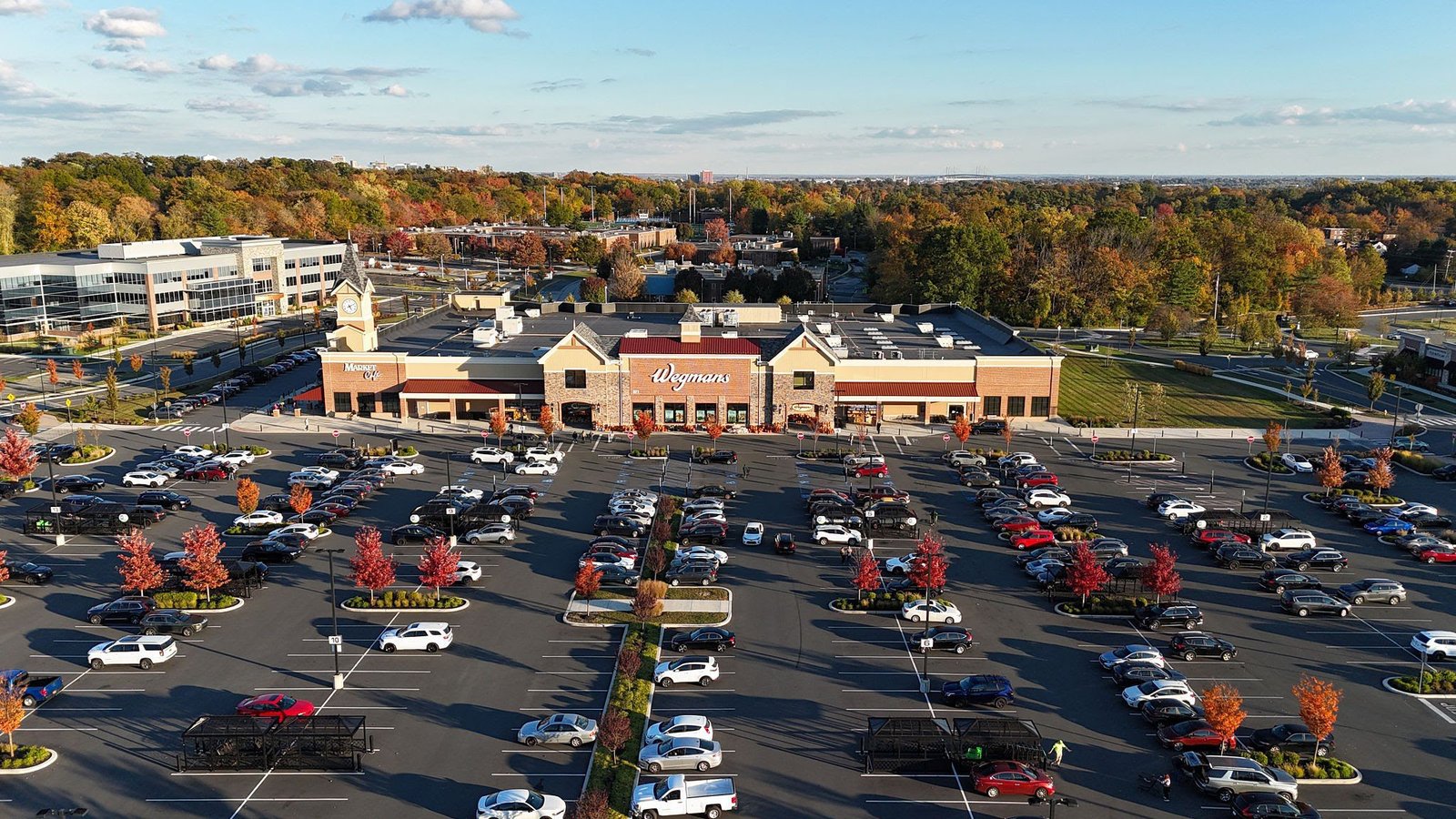
Experiential retail, dining, and service-based tenants that cannot be replicated online continue to drive leasing. Vibrant mixed-use districts — West Midtown among them — pair retail and food-and-beverage with residential and office to create destinations rather than mere shopping stops. The retail challenge in 2026 is less about demand and more about the cost and availability of quality space, which can push expanding tenants toward second-generation locations and creative buildouts.
Multifamily: fundamentals meet a supply wave
Apartments remain a key asset class for Atlanta investors. In-migration, job growth, and high home mortgage rates keep rental demand high.
However, a large wave of new apartments hit the market recently. Heavy building in Midtown, West Midtown, and top suburbs has created short-term supply pressure. Therefore, rent growth has slowed, and landlords offer more lease perks to fill units.
The good news is that new construction has slowed as loans became harder to secure. This slowdown will help balance supply and demand soon. Value-add plays on older, well-placed 1990s and 2000s properties still attract active interest from smart buyers.
Submarkets to watch
Location matters more than ever in 2026. Here are the top submarkets to track:
Midtown: The core tech and lifestyle node for office, homes, and retail.
Buckhead: Top retail and high-end office with wealthy demographics.
Cumberland/Galleria: A thriving live-work-play hub with major firms.
Central Perimeter: Deep corporate base with fast rail access.
Alpharetta/North Fulton: Suburban tech engine with great shops and top schools.
West Midtown: Creative food, store, and home destinations.
Airport / South Atlanta: The core hub for freight and shipping
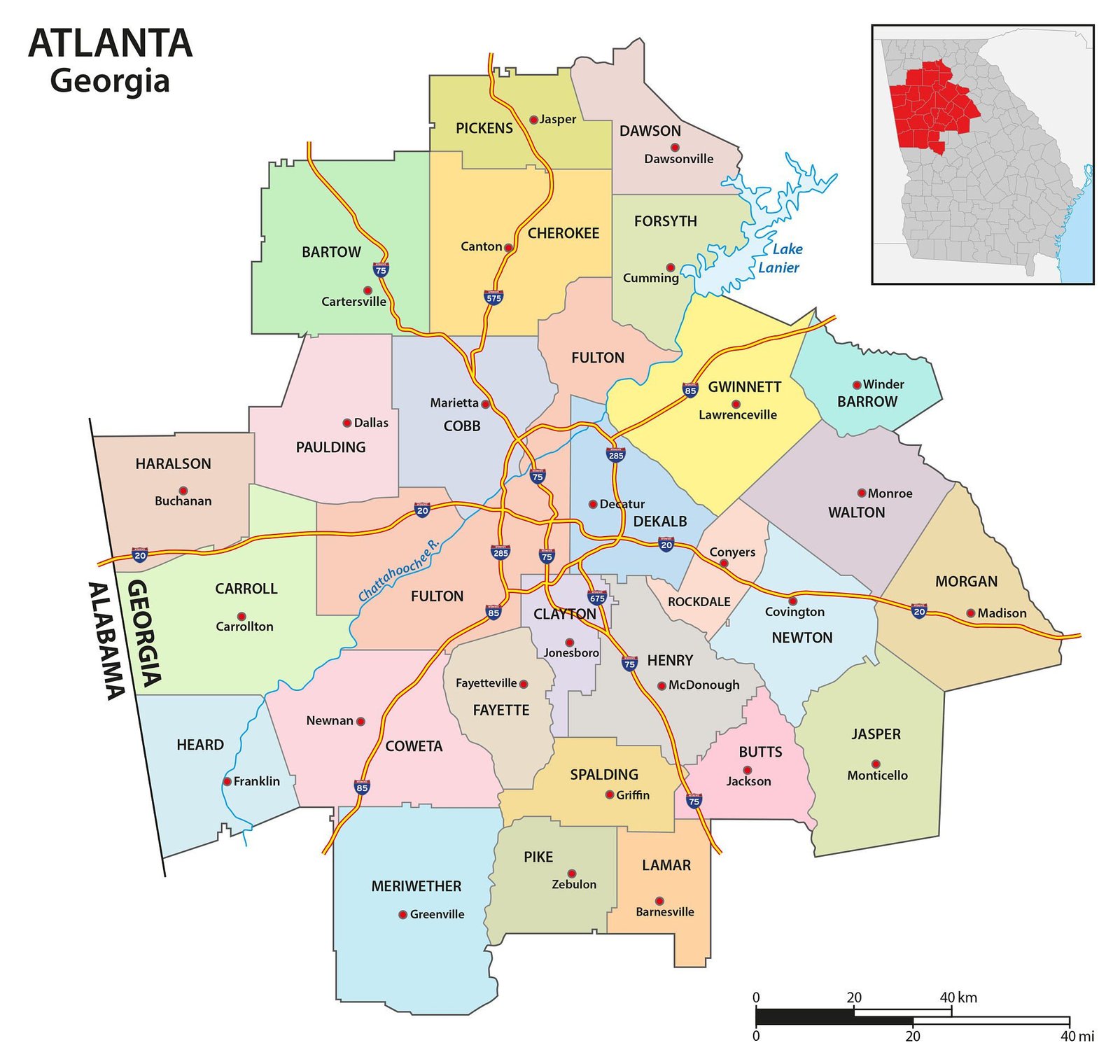
What is driving demand under the surface
Atlanta’s market relies on long-term growth factors:
Job growth: Strong hiring across tech, film, health care, and finance.
Cost edge: Lower costs than coastal cities attract firm moves.
Transit links: Key airport, rail, and road projects support regional trade.
These strengths help protect the metro during economic shifts and reward careful buyers.
Risks and headwinds to underwrite honestly
Every smart plan must account for market risks:
Higher rates: Debt costs pressure property values and refinancing plans.
Rising costs: High insurance and tax bills trim net earnings.
Renovation costs: High labor and supply costs affect upgrade budgets.
Office shifts: Work patterns continue to change office demand.
These risks mean buyers should focus on great deals, keep extra cash reserves, and work with local experts.
How to position yourself for the rest of 2026
Top investors and owners in Atlanta commercial real estate 2026 follow these simple habits:
Pick prime locations and top assets over cheap prices.
Test worst-case scenarios for rent, costs, and exit timing.
Keep cash ready to buy well-priced assets.
Work with local pros to find true value.
Whether you are buying your first property, completing a 1031 exchange, or renewing a lease, good planning pays off.
Frequently Asked Questions
Is Atlanta commercial real estate a good investment in 2026?
Yes. Atlanta remains a top commercial real estate market in the Southeast due to steady population growth, job creation, and major logistics infrastructure. Industrial, grocery-anchored retail, and Class A office continue to show resilient long-term fundamentals.
Which Atlanta commercial real estate sector is performing best?
Industrial logistics and neighborhood grocery-anchored retail are performing exceptionally well. Low retail vacancy and sustained demand for modern distribution hubs near freight corridors support strong income stability.
How are interest rates affecting Atlanta commercial real estate deals?
Higher borrowing costs have led to more conservative underwriting and lower debt leverage. This environment creates favorable conditions for cash buyers, 1031 exchange investors, and owner-users acquiring properties with strong existing cash flow.
The Bottom Line: Navigating Atlanta Commercial Real Estate in 2026
At the end of the day, Atlanta commercial real estate offers outstanding long-term opportunity for investors, owner-users, and businesses who approach the market with a clear strategy. While high capital costs and shifting space demands require disciplined underwriting, the region’s strong population influx, diverse economy, and world-class infrastructure make it one of the most compelling markets in the nation.
Finding the best opportunities in 2026 takes a clear plan tailored to your goals. At Upgrade Atlanta / My Next Steps Real Estate, we help investors, owner-users, and business owners make smart, confident moves.
Let’s Connect
“When a client shares their goals, I immediately see the possibilities.”
— Kara S. Lawrence
Ready to build your strategy for 2026 and beyond? Contact Kara S. Lawrence today to set up your consultation. Whether that’s a market check-in, prepping to list, or just talking through your options, we are here to help you every step of the way!
📞 Call or Text: 678.799.2347
📧 Email: Hello@UpgradeAtlanta.com
📅 Book a Time: https://bit.ly/UpgradeAtlanta
🌐 Contact Page: Reach out directly via the official Upgrade Atlanta Contact Page
Watch & Learn: Market Insights from Kara S. Lawrence
Get a comprehensive look at the Metro Atlanta economy, infrastructure growth, commercial market trends, and regional neighborhood developments with these featured video breakdowns from Kara:
🎥 Metro Market Overview: Living & Investing In Atlanta Georgia: A Complete Local Guide
🌆 Atlanta Regional Infrastructure: Moving To Atlanta Georgia: The Strategic Guide Nobody Else Is Giving You
🏡 County & Submarket Breakdown: Atlanta Submarkets Explained: Where Should Your Business Live?
📺 Channel Home: Subscribe to Atlanta GA Living by Kara on YouTube for local market updates, economic news, and regional tours!

Join The Discussion